Nervovive Reviews: What This Nerve Support Formula Contains and What the Evidence Supports
By the Natural Care Market Editorial Team · Updated October 2026
Disclosure: this article contains affiliate links. If you buy through them, we may earn a commission at no extra cost to you. It does not change what we write.
Nervovive at a Glance
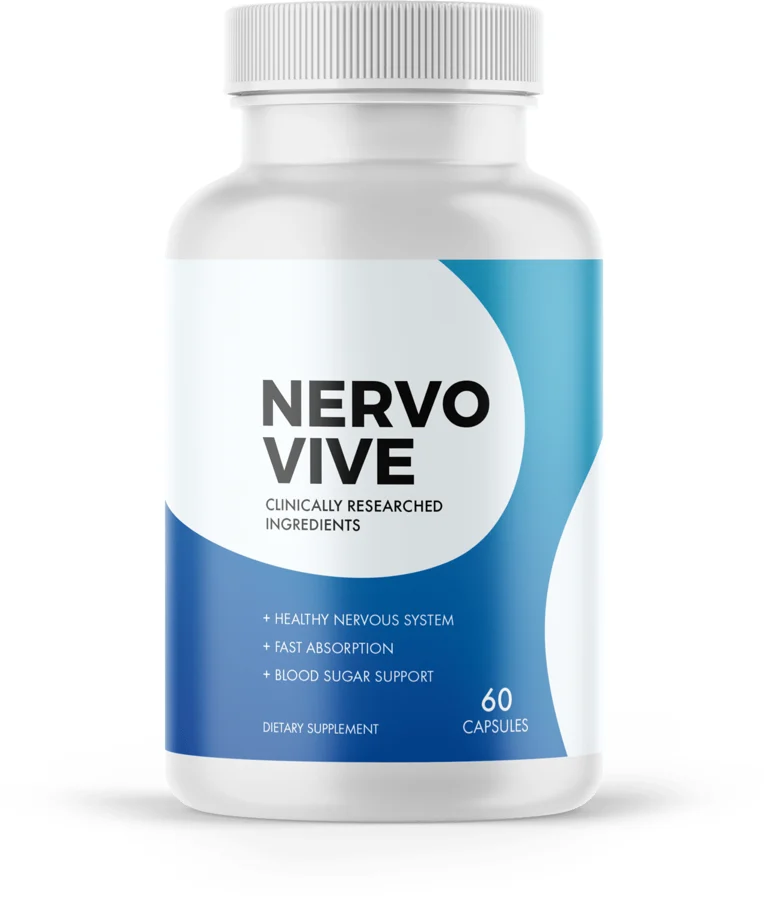
| Form | Capsules — 2 a day with water; 60 capsules (30-day supply) per bottle |
| Core ingredients | 5: passion flower, marshmallow root, corydalis, prickly pear, California poppy seed (doses on label) |
| Made in | USA, from imported ingredients, in a GMP, FDA-registered facility (per sales page) |
| Guarantee | 60 days, counted from the delivery date |
| Shipping (US) | Listed as free, 5 to 7 working days — confirm at checkout |
| Main caution | Calming herbs may cause drowsiness; check with a doctor if you take sedatives or diabetes medicine |
Burning toes at night, a pins-and-needles feeling in the hands, or feet that seem strangely numb on cold floors: these are some of the most common reasons people start searching for a nerve supplement. In many adults the cause is peripheral neuropathy, damage to the nerves outside the brain and spinal cord, and in the United States the single biggest driver of it is long-standing high blood sugar.
Nervovive is one of the newer capsules aimed at that audience. Unlike many nerve formulas built on vitamins, it is a short list of five botanicals — passion flower, marshmallow root, corydalis, prickly pear and California poppy seed — and, unusually for this category, the label actually prints the dose of each one. This review walks through what the formula contains, which parts of the marketing hold up, what the research on each herb really shows, the safety points worth discussing with a doctor, and the price and refund terms you should know before ordering.
→ See the Nervovive formula and current offer on the official website
What Is Nervovive?
Nervovive is a dietary supplement sold in bottles of 60 capsules. The suggested use is two capsules a day with plenty of water, so each bottle is a 30-day supply. The front of the bottle lists three promises: a healthy nervous system, fast absorption and blood sugar support. The sales page describes it as a natural, easy-to-swallow formula with no stimulants and no GMOs, and states that every order is a one-time purchase with no automatic rebilling.
The label names the distributor as NervoVive, based in Aurora, Colorado. Badges on the sales page say the capsules are made in the USA from imported ingredients, in a GMP-certified, FDA-registered facility. The site does not name the manufacturer itself.
Keep one distinction in mind throughout: an FDA-registered facility is not an FDA-approved product. The FDA does not review dietary supplements for safety or effectiveness before they reach the market, and the Nervovive label carries the standard notice that its statements have not been evaluated by the agency and that the product is not intended to diagnose, treat, cure or prevent any disease.
How Nervovive Is Said to Work: Marketing Claims vs. Evidence
The official FAQ says the formula is meant to help the body absorb the nutrients it needs and to help with neuropathy, while also supporting normal blood sugar. That pairing is not random. Poorly controlled glucose is the leading cause of nerve damage in the feet and hands, and large clinical trials summarized in the medical literature show that tighter glucose control slows the development of diabetic neuropathy, especially in type 1 diabetes.
Where the story gets thinner is the leap from that real link to these five herbs. Three of them — passion flower, corydalis and California poppy — are traditionally used as calming or sleep-promoting plants. They may make discomfort feel easier to live with or help some people rest, but there is no human trial showing that any of them repairs nerves or improves nerve function. Prickly pear has modest, mixed data on blood sugar. Marshmallow root is a soothing mucilage herb best known for throat and stomach use.
So the fair way to read the claim is this: Nervovive is a gentle, mostly calming herbal blend with a small blood sugar angle. It is not a substitute for controlling glucose, for B12 testing, or for a medical work-up of nerve symptoms. The phrase "clinically researched ingredients" on the bottle means that studies of these plants exist — not that the product itself has been tested in a trial, and the official site does not cite one.
Nervovive Ingredients and What the Research Says
Here is the supplement facts panel as printed on the official label, per two-capsule serving: passion flower herb powder 290 mg, marshmallow root powder 220 mg, Corydalis lutea 4:1 extract 200 mg, prickly pear 20:1 extract 100 mg and California poppy seed 90 mg. Other ingredients are magnesium stearate, gelatin and rice flour. The gelatin capsule means the product is not vegetarian.
1. Passion Flower (290 mg)
Passiflora incarnata is a climbing vine used for nervousness and sleep. It is the best-studied herb in the formula. A small placebo-controlled trial found that one week of passionflower tea gave a modest improvement in self-rated sleep quality, and a trial in surgical patients found that a 500 mg passionflower tablet before surgery reduced anxiety without extra sedation. A Cochrane review of passiflora for anxiety, however, judged the evidence too limited to draw firm conclusions. None of these studies looked at nerve pain or neuropathy. The 290 mg here is a whole-herb powder, which is generally less concentrated than the extracts used in research.
2. Marshmallow Root (220 mg)
Althaea officinalis root is rich in mucilage, a gel-like fiber that coats the throat and digestive lining, which is why it appears in cough syrups and teas. The studies on the official reference list are a cell-culture experiment and an animal stomach-ulcer study. There is no human research on marshmallow root for nerves, so its role in this formula is unclear.
3. Corydalis (200 mg of a 4:1 extract)
This is the ingredient that deserves the most careful reading. The research the brand cites is on Corydalis yanhusuo, a species used in traditional Chinese medicine whose alkaloids, especially tetrahydropalmatine, have shown pain-relieving effects in animal models, including models of neuropathic pain. The label, however, lists Corydalis lutea, a different species (yellow corydalis) with very little published research of its own. Even for yanhusuo, the evidence is mainly from animals, not controlled human trials.
Corydalis alkaloids can cause drowsiness, and a Chinese herbal product containing tetrahydropalmatine was linked to cases of acute hepatitis in the 1990s. That does not mean Nervovive is unsafe, but it is a reason to ask a doctor first if you have liver disease or take sedating medicines.
4. Prickly Pear (100 mg of a 20:1 extract)
Prickly pear cactus (Opuntia) is the ingredient tied to the blood sugar claim. A 2019 systematic review found that eating prickly pear pads or products lowered blood glucose after meals in several small studies, but results were inconsistent and long-term effects were not established. Many of those studies used the cactus as food, in amounts far larger than a 100 mg extract, so it is uncertain how much this dose contributes. If you use glucose-lowering medicine, any added effect is a reason to monitor more closely, not to change your dose on your own.
5. California Poppy Seed (90 mg)
Eschscholzia californica is a mild sedative herb, not the opium poppy. Lab work shows its alkaloids act on GABA receptors, the same calming system targeted by some anti-anxiety drugs, and a French trial found that a combination of California poppy, hawthorn and magnesium helped mild-to-moderate anxiety. Two caveats: that trial tested a combination, not poppy alone, and most alkaloid research is on the aerial parts of the plant, while the label specifies seed. A study about poppy seed tea on the brand's reference list concerns the opium poppy, a different plant.
Overall, the formula leans toward relaxation and sleep support. That may help people whose nerve discomfort keeps them awake, but the only ingredient with any direct metabolic angle is prickly pear, at a modest dose.
Want to compare the label with other nerve formulas? The official site shows the full supplement facts panel.
Visit the Official Nervovive Website →Nervovive vs. Typical Nerve Support Formulas
Most nerve supplements on the market are built on nutrients such as alpha-lipoic acid, vitamin B12, benfotiamine (a form of vitamin B1) and acetyl-L-carnitine. Of these, alpha-lipoic acid has the strongest data: in the SYDNEY 2 trial, 600 mg a day for five weeks reduced neuropathy symptoms compared with placebo in people with diabetes. Vitamin B12 matters because a deficiency can cause neuropathy on its own, and the NIH Office of Dietary Supplements notes that long-term metformin use can lower B12 levels.
Nervovive contains none of these. That is not necessarily a drawback — some people prefer a herbal blend or already take B vitamins — but it does mean Nervovive works on a different idea than the formulas most often discussed by neurologists. If your doctor has suggested checking B12 or trying alpha-lipoic acid, Nervovive does not replace that conversation.
Pros and Cons of Nervovive
Pros
- Full label with the dose of every ingredient — uncommon in this category
- Short, simple formula of five botanicals
- No stimulants; listed as non-GMO
- Made in the USA in a GMP, FDA-registered facility, according to the sales page
- One-time purchase with no autoship, per the official FAQ
- 60-day money-back guarantee counted from delivery
Cons
- No clinical trial of the finished product
- No human evidence that any ingredient repairs nerves
- Label lists Corydalis lutea while the cited studies are on a different species
- Three calming herbs may cause drowsiness, especially with other sedatives
- Gelatin capsules — not suitable for vegetarians
- Refunds require returning all bottles at your own shipping cost
Who Might Consider Nervovive (and Who Should Not)
Nervovive may appeal to adults who:
- have mild tingling or nighttime discomfort that a doctor has already evaluated
- prefer a short herbal formula and want to see exact doses on the label
- find that discomfort interferes with rest and are looking for a calming option
- are already working on blood sugar through diet, activity and prescribed care
It is a poor fit, or needs a doctor's approval first, for people who:
- are pregnant, nursing or under 18 (the label excludes them)
- take sleep medicines, benzodiazepines, opioids, gabapentin, pregabalin or other sedating drugs
- use insulin or other glucose-lowering medication
- have liver disease or a history of reactions to herbal products
- have surgery coming up, since sedating herbs can interact with anesthesia
Get medical attention first if numbness or weakness comes on suddenly, affects one side of the body, spreads quickly, or comes with a foot sore that is not healing. Neuropathy has many causes — diabetes, B12 deficiency, thyroid disease, alcohol, some medications and autoimmune conditions — and the right treatment depends on which one is involved.
Safety and Side Effects
No serious adverse events have been publicly reported for Nervovive as a finished product. Based on its ingredients, the most likely side effect is drowsiness or dizziness, since passion flower, California poppy and corydalis all have calming effects. The NCCIH notes that passionflower can cause sleepiness, confusion and dizziness in some people. Taking the capsules for the first time in the evening, and not driving until you know how you react, is a sensible precaution. Avoid combining them with alcohol.
Other points to consider: prickly pear can add to the effect of diabetes medications, so check your glucose more often at first; marshmallow root's mucilage may slow the absorption of other oral medicines taken at the same time, so space them out; and corydalis is the ingredient to review if you have any liver condition. The label itself says not to exceed the recommended dose and to consult a physician before use if you take medication or have a medical condition.
How to Use Nervovive
The label directs two capsules a day with water. The site does not specify a time of day; given the calming herbs, many people may prefer the evening. Store the bottle in a cool, dry place below 86°F (30°C) and do not use it if the safety seal is damaged. The brand's own refund page suggests giving the product about three months before judging it. A simple log of symptoms, sleep and, if you have diabetes, glucose readings will tell you far more than memory.
Nervovive Price, Shipping and Guarantee
Nervovive is sold in three packages on the official order page. The prices are shown as images on the page; at the time we checked they were:
| Package | What the official order page states |
|---|---|
| 1 bottle (30-day supply) | $69 |
| 3 bottles (90-day supply) | $59 per bottle — about $177 total |
| 6 bottles (180-day supply) | $49 per bottle — about $294 total, plus 2 digital bonus guides |
| US shipping | Free at checkout even for 1 bottle on Oct 12, 2026; 5 to 7 working days |
| Canada, UK, Ireland, Australia, NZ | $15.95, 10 to 15 working days |
| Guarantee | 60 days from the delivery date |
The shipping policy says a tracking email is sent within 60 hours of the order. The bonus guides are e-books; their titles vary in different parts of the page, so treat them as an extra rather than a reason to buy. Offers in this category change regularly, so confirm the final total before you pay.
Refund Policy: What the Terms Actually Say
The refund page gives you 60 days counted from the day the package is delivered. To use it, you email product support with "Refund Request" in the subject line, then mail back all bottles — opened, unopened or empty — together with the packing slip and a note with your name, email and order number. Return postage is paid by the customer, and the page says refunds are processed within roughly 5 to 10 days of the package arriving. Keep your tracking number and delivery date, and do not throw away empty bottles while you are still inside the window.
→ Check today's Nervovive packages and price on the official website
What We Saw on the Official Nervovive Order Page (October 12, 2026)
On October 12, 2026 we opened the official order page ourselves and followed the checkout up to the payment step, without placing an order, to record exactly what a buyer sees. The screenshots below are unedited crops from that visit.
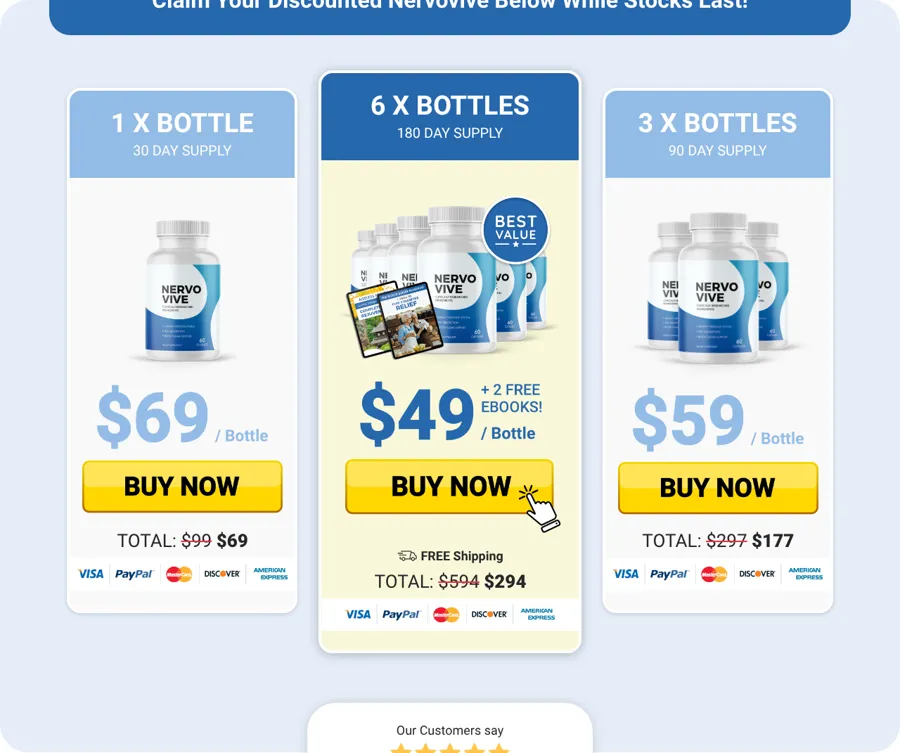
- The order page offered 1 bottle at $69, 3 bottles at $59 per bottle ($177) and 6 bottles at $49 per bottle ($294).
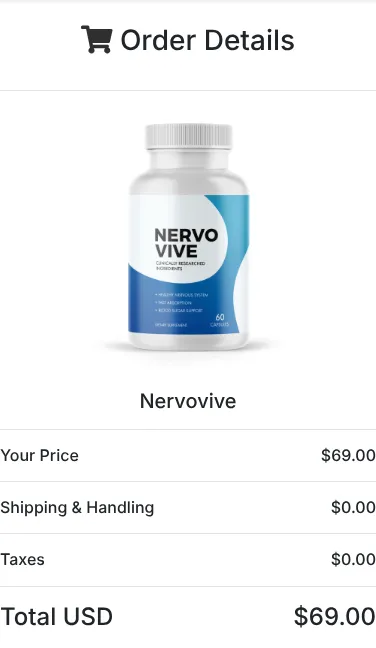
- The 1-bottle checkout showed $69.00 with $0.00 shipping, $69.00 total, so on the day we checked even the single bottle shipped free within the US. The 3-bottle ($177.00) and 6-bottle ($294.00) totals also had no shipping charge.
- The refund page counts the 60 days from the day the package is delivered. Contact address listed: contact@nervovive-product.com.
Where to Buy Nervovive
Nervovive is sold through its official website. Copies listed on marketplaces or unfamiliar stores may not be covered by the 60-day guarantee and could be old or imitation stock. Ordering from the official page is the most reliable way to receive the genuine product with the published refund terms.
Final Verdict
Nervovive earns credit for transparency: a five-ingredient formula with every dose printed on the label, no stimulants, no autoship and a clear 60-day refund policy. Its ingredients are mostly gentle, calming botanicals, with prickly pear adding a modest blood sugar angle.
Its limits are just as clear. None of the herbs has human evidence for repairing nerves, the corydalis on the label is not the species behind the cited research, and the formula skips the nutrients with the strongest neuropathy data. If your doctor has ruled out other causes, you are not on sedating or glucose-lowering drugs without supervision, and you want a simple herbal option to try for about three months, Nervovive is a reasonable experiment under its guarantee. Expect support for comfort and rest, not a fix for the underlying nerve damage.
Frequently Asked Questions (FAQs)
Is Nervovive FDA-approved?
No dietary supplement is FDA-approved. The sales page says Nervovive is made in an FDA-registered, GMP facility, which relates to manufacturing standards, not proof that the product works.
What are the ingredients in Nervovive?
Per two capsules: passion flower 290 mg, marshmallow root 220 mg, Corydalis lutea 4:1 extract 200 mg, prickly pear 20:1 extract 100 mg and California poppy seed 90 mg, in a gelatin capsule with rice flour and magnesium stearate.
Can Nervovive make you sleepy?
It can. Passion flower, California poppy and corydalis all have calming effects. Try your first doses in the evening, avoid alcohol and talk to a doctor if you take sleep aids, anxiety medicines, opioids, gabapentin or pregabalin.
Is Nervovive safe for people with diabetes?
Prickly pear may lower blood sugar slightly and add to the effect of diabetes medication. Ask your doctor first and monitor your glucose more closely when you start.
How long should I take Nervovive before judging it?
The brand suggests about three months of daily use. Keep a simple symptom and sleep log so you can compare before and after.
Is there a subscription or autoship?
According to the official FAQ, no. Each order is a one-time charge for the package you choose.
How does the Nervovive refund work?
Within 60 days of delivery, email support with "Refund Request" in the subject and return all bottles with the packing slip. Return shipping is paid by the customer.
Want to compare the current Nervovive packages? The official site lists today's prices.
Visit the Official Nervovive Website →References
- Ngan A, Conduit R. A double-blind, placebo-controlled investigation of the effects of Passiflora incarnata (passionflower) herbal tea on subjective sleep quality. Phytother Res. 2011;25(8):1153-1159.
- Movafegh A, et al. Preoperative oral Passiflora incarnata reduces anxiety in ambulatory surgery patients: a double-blind, placebo-controlled study. Anesth Analg. 2008;106(6):1728-1732.
- Miyasaka LS, Atallah AN, Soares BG. Passiflora for anxiety disorder. Cochrane Database Syst Rev. 2007;(1):CD004518.
- Hanus M, Lafon J, Mathieu M. Double-blind, randomised, placebo-controlled study of a fixed combination of Crataegus oxyacantha, Eschscholtzia californica and magnesium in mild-to-moderate anxiety disorders. Curr Med Res Opin. 2004;20(1):63-71.
- Gouws CA, et al. Effects of the consumption of prickly pear cacti (Opuntia spp.) and its products on blood glucose levels and insulin: a systematic review. Medicina (Kaunas). 2019;55(5):138.
- Woolf GM, et al. Acute hepatitis associated with the Chinese herbal product jin bu huan. Ann Intern Med. 1994;121(10):729-735.
- Ziegler D, et al. Oral treatment with alpha-lipoic acid improves symptomatic diabetic polyneuropathy: the SYDNEY 2 trial. Diabetes Care. 2006;29(11):2365-2370.
- Ang L, Jaiswal M, Martin C, Pop-Busui R. Glucose control and diabetic neuropathy: lessons from recent large clinical trials. Curr Diab Rep. 2014;14(9):528.
- NIH Office of Dietary Supplements. Vitamin B12 — Fact Sheet for Health Professionals.
- National Center for Complementary and Integrative Health (NCCIH). Passionflower.
- National Institute of Diabetes and Digestive and Kidney Diseases (NIDDK). Peripheral Neuropathy.
This review is for general information only and is not medical advice. Product details (ingredients, prices, guarantee) come from the official Nervovive pages as checked in October 2026; they can change, so confirm them at checkout. Talk to your doctor before starting any supplement, especially if you take prescription medication or have a health condition.